
What the “F”?
Surely, you didn’t think the “F” stood for a four-letter word, did you?
No. We’re talking about fiber – a respectable five-letter word.
As I was thinking about a New Year’s resolution, I decided to aim higher than just weight loss. I wanted to improve my overall health. So I listened to a bunch of podcasts and read articles. And one message kept popping up – increase fiber intake and reduce the consumption of processed foods. I think we all know that it is a good idea to stop eating highly processed foods. You know, the ones that come in a box or bag and have ingredients that cannot be pronounced. But I didn’t really know much about fiber.
So, what is Fiber?
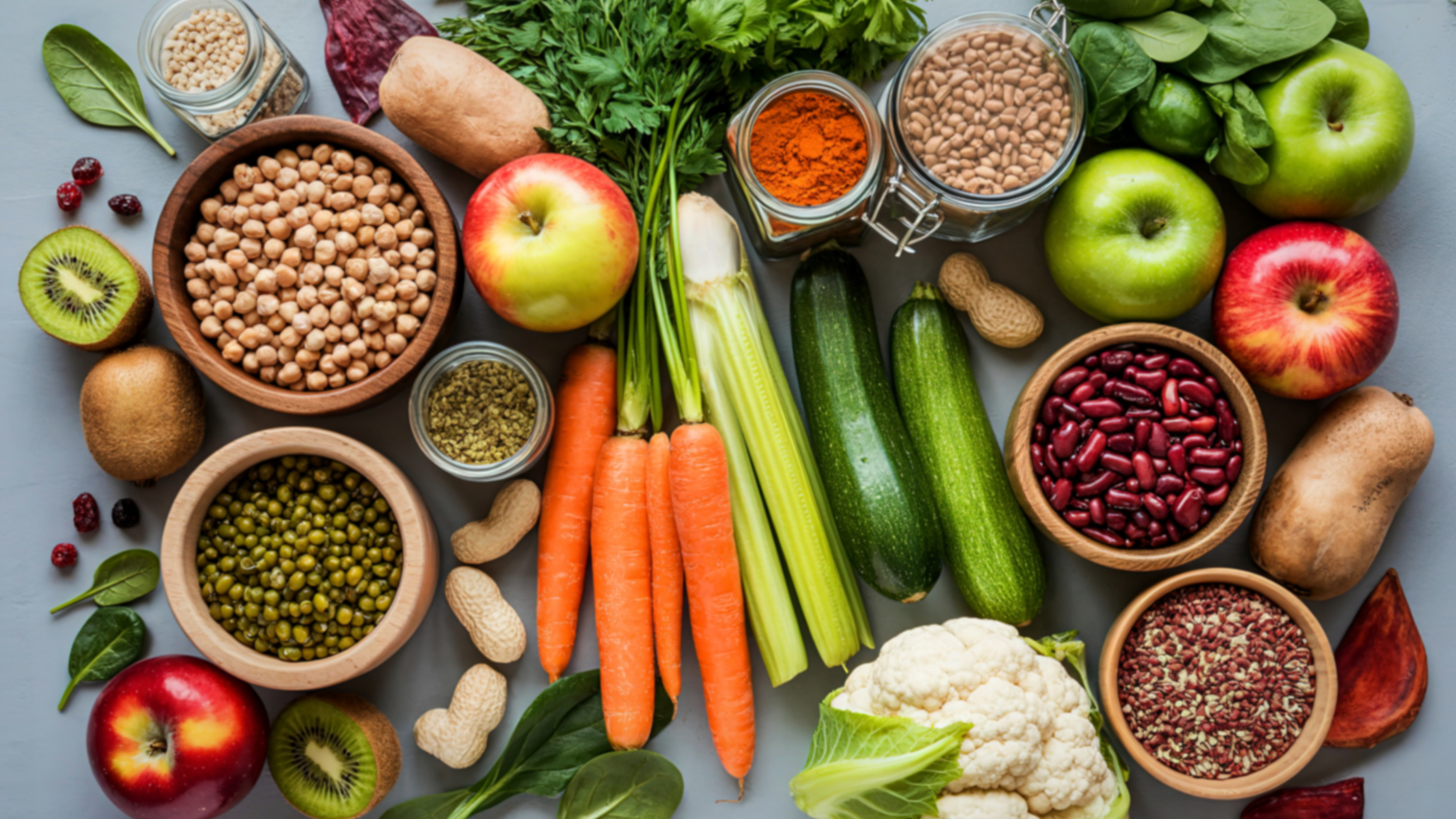
Fiber is defined in Merriam Webster as mostly indigestible material in food (such as legumes, whole grains, and vegetables) that stimulates the intestine to peristalsis and promotes elimination of waste from the large intestine. It is found in whole fruits and vegetables, whole grains, beans, lentils, and nuts and seeds and keeps you moving. Hmmm…sounds like what most diet gurus are telling us to eat these days.
Why does it matter
According to a study conducted by Andrew Reynolds and other scientists, when a person increases their consumption of fiber, it can lead to some pretty impressive benefits.
Weight loss
Lower risk of heart attack
Lower risk of stroke
Reduced risk of type 2 diabetes
Reduced risk of colorectal cancer
That’s a lot of upside. All of these health benefits by eating more whole fruits, vegetables, grains, beans, legumes, nuts and seeds? Sign me up!
How much is enough?
Good question. On average, women over 50 should consume 22 grams of fiber per day and a man over 50 years of age should consume 28 grams, according to HealthLine.com. The only problem is that I’m not sure exactly what 22 grams of fiber looks like.
Grams? I clearly wasn’t paying attention in school when the metric system was explained. Remember when we were all told that the U.S. was switching to the metric system so we had to learn it? Fun fact: the Metric Conversion Act of 1975 failed due in part to public resistance. Ha! I guess I was part of the public resistance.
Which is why I have a hard time understanding what 22 grams of fiber looks like.
Thankfully, a handy chart published by the U.S. Government provided just the answer I was looking for. The website even has printable PDFs in case you’re interested.
Are there any downsides?
Yes….and no. For a person with digestive issues (IBS, Crohn’s, or ulcerative colitis), their symptoms can worsen. And for a person without digestive issues, if you go all in too quickly, you could experience bloating, gas, and cramps. Drinking a lot of water and getting some exercise, as well as increasing fiber consumption slowly over time can help.
The five letter “F” word
After forty or fifty, it’s best not to eat fudge, flour or fluff.
Instead, when faced with the facts, I’ll focus on fiber - the “F” word that is perfectly acceptable at the dinner table.