
Microplastics: Small Changes That Make a Big Difference
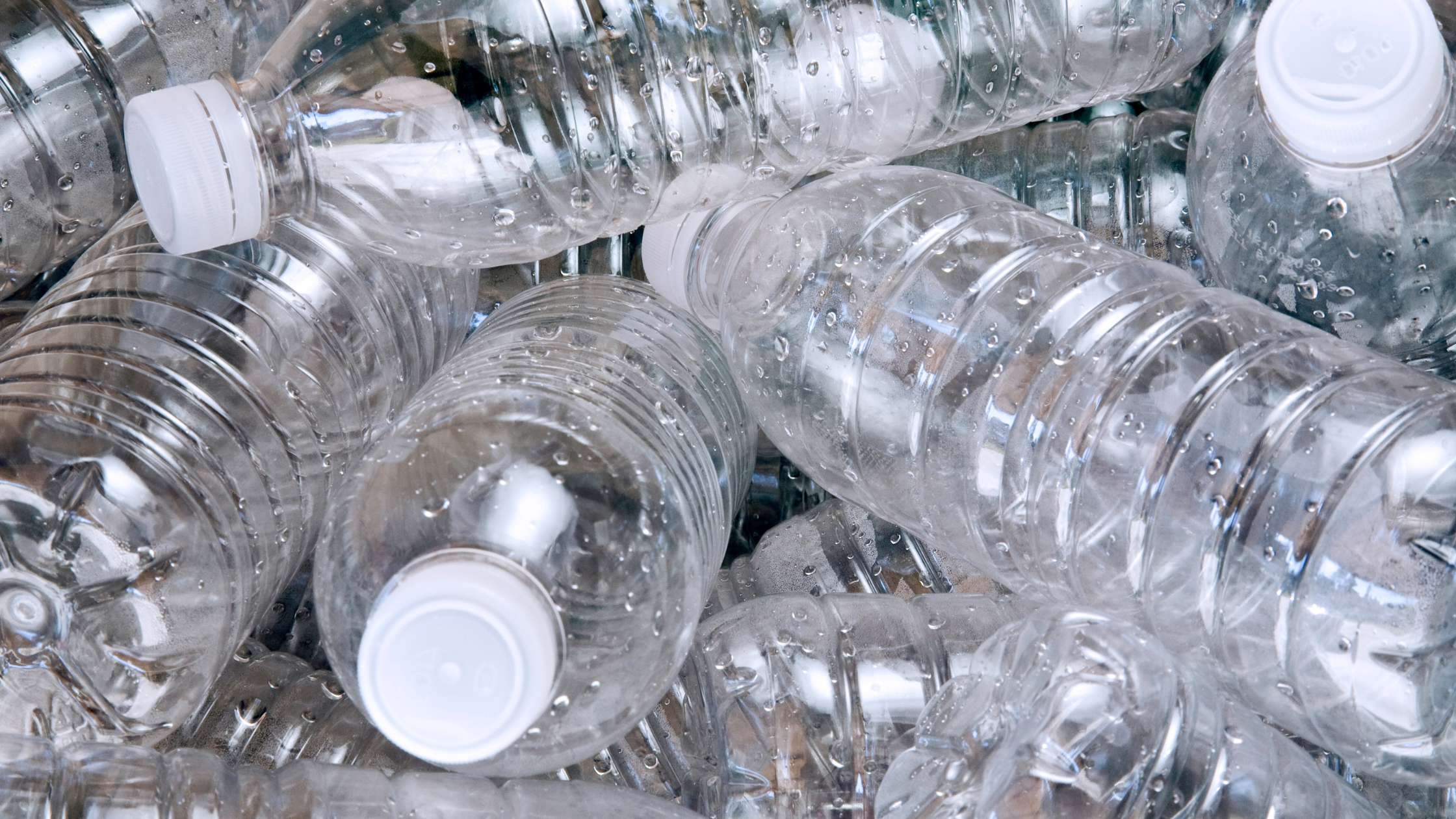
It’s in the news everywhere right now. No, I’m not talking about GLP-1s.
Sure, it feels like every commercial break is a parade of these weight loss ads. But there’s another topic making headlines.
Microplastics.
There are no fancy commercials about them, but they are showing up in places that they shouldn’t—our water, our food… even our bodies.
Pretty unsettling, right? Microplastics aren’t some environmental issue floating out in the middle of the ocean somewhere far away. They’re much closer to home—woven into everyday habits we barely think about. The plastic container you microwaved last night. The water bottle you grabbed on your way out the door. The packaging wrapped around nearly everything in your grocery cart.
It’s easy to feel overwhelmed—or tempted to ignore it altogether.
But here’s the good news: reducing your exposure doesn’t require a complete lifestyle overhaul. Small, practical shifts can make a meaningful difference.
So what are microplastics and why should you care?
Microplastics are tiny particles of plastic—less than 5 millimeters in size—that break off from larger plastic items.
They’re found in obvious places like water bottles and food packaging. But they also show up in less obvious ones—cosmetics, detergents, clothing, and even household dust.
According to researchers cited by Harvard Medical School, microplastics have been linked in studies to inflammation, cell damage, effects on the lungs and liver, changes in gut health, and disruptions to hormones and metabolism.
Not exactly comforting.
You aren’t powerless.
If you’re like me, too much “doom and gloom” information can feel paralyzing. It’s easy to think, What’s the point? It’s everywhere anyway.
But the more I’ve learned about microplastics, the more I’ve felt the opposite—empowered.
Because while you may not be able to eliminate them completely, you can reduce your exposure in meaningful ways.
And you don’t have to throw out everything you own or move off the grid to do it.
Simple, practical steps to take now.
Here are some small changes that are easily doable and can fit into your life.
Purchase a reusable steel or glass bottle and forgo purchasing those individual plastic bottles of water.
Store leftovers in glass containers. Storing and reheating food in plastic containers releases particles into your food.
Switch to wood or bamboo cutting boards. When you cut on plastic cutting boards, tiny shards of plastic are added to your meal.
Opt to drink loose leaf tea instead of using tea bags. The material used to make the tea bags contain plastic and release particles when steeped - a fact I just learned.
Dust and vacuum your home regularly. Microplastics are found in dust from carpets, furniture, and synthetic fabrics and can end up in the air you breathe.
Rethink the clothing that you purchase. Synthetic fabrics like polyester and nylon shed microplastic fibers, especially in the wash. Choose natural fibers (cotton, linen, wool) when buying new items or launder your synthetic fabrics less often or on the gentle cycle.
Are there more steps that could be taken? Absolutely.
But I’m not interested in turning my life upside down. These small changes above go a long way toward reducing everyday exposure. And more importantly, they’re sustainable.
Because when it comes to microplastics, the goal isn’t zero.
It’s less.
And less is a great place to start.