Getting Older is a Gift. The Vocabulary? Not so Much.
There’s a lot one has to accept about getting older.
I accept that I am more tired at the end of the day than I used to be.
I accept that I can walk into a room with a purpose and then completely forget what I walked in for.
I accept that the words are sometimes on the tip of my tongue but never uttered.
What I don’t want to accept is the vocabulary assigned to getting older.
Take sarcopenia—the gradual loss of muscle over time. It’s a real, studied condition, and it matters. But the word itself feels like something you caught on vacation. Something you don’t want anyone to know about. Definitely requiring antibiotics.
In reality, it’s much less dramatic. It’s more like asking for help with the heavier grocery bags.
And then you start to notice the rest of the terminology.
Osteopenia. Osteoporosis. Words that quietly suggest your bones are becoming less reliable.
Presbyopia. A term that sounds far more serious than “you need readers now.”
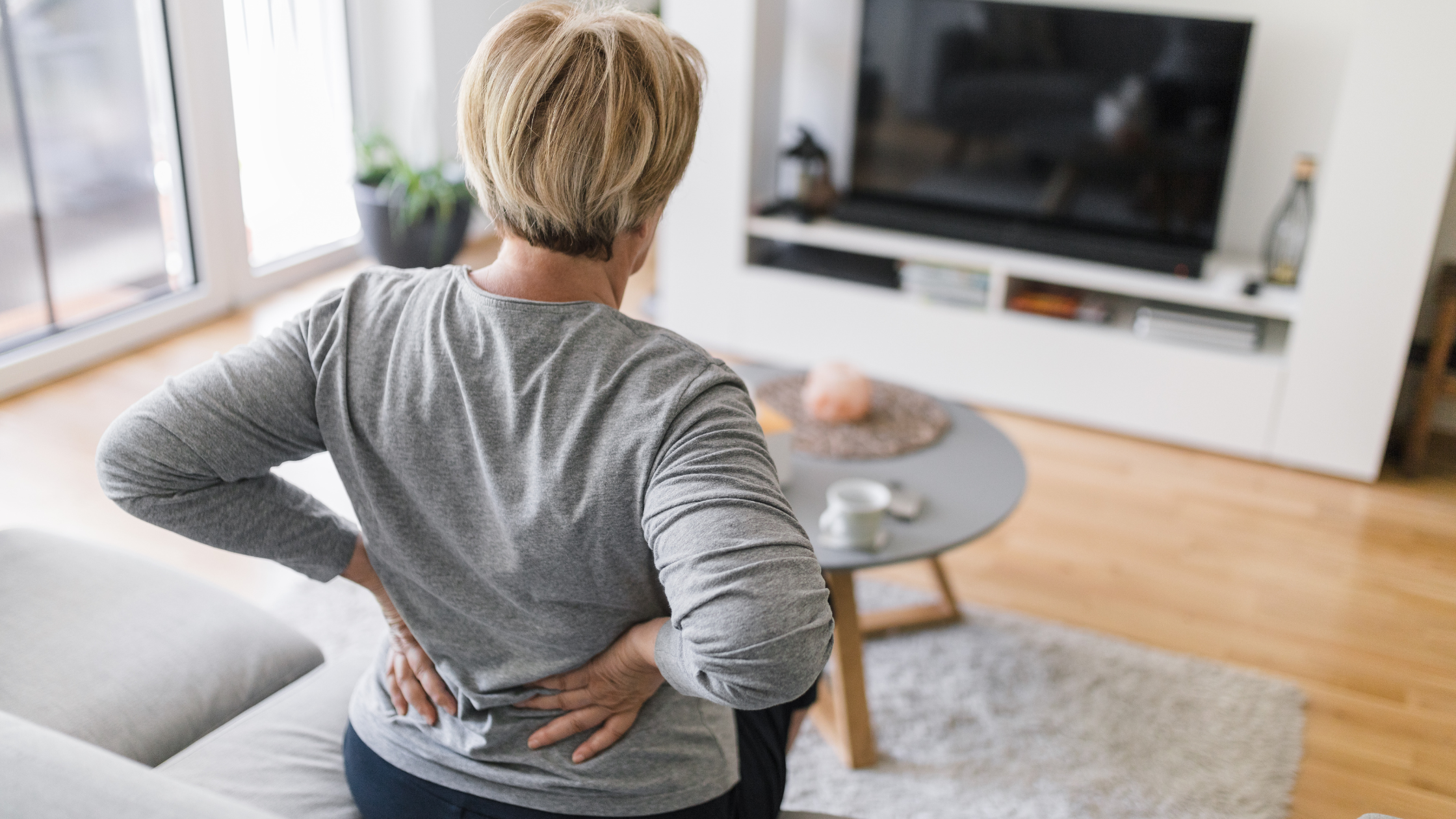
Arthropathy. Spondylosis. Which just means your joints ache when you first stand up after having sat for way too long.
These words all sound so heavy, so serious, so depressing.
Yes, your body changes.
But so do a few other things that don’t seem to have complicated medical terms:
You become far less interested in other people’s opinions.
You let things roll off more easily. You don’t sweat the small stuff.
You get very good at saying “no,” sometimes without even needing a lengthy explanation.
You also discover that a good night’s sleep, a long walk, and a cup of coffee shared with a friend whose company you really enjoy makes for a very good day.
The science of aging focuses on what’s measurable—muscle mass, bone density, vision changes. And that’s important. It helps people stay strong, independent, and well.
But it doesn’t quite capture what it feels like to be in this stage of life.
Because alongside all those very official-sounding conditions… there’s also a lightness that wasn’t there before.
A sense that you don’t have to prove anything anymore.
A willingness to laugh—especially at yourself.
And the realization that you’ve earned the right to live life a little more on your own terms.
There’s a whole lot more perspective, humor, and ease.
Not a bad trade-off, when you think about it.
Because if aging has taught us anything, it’s this:
We may be losing a little muscle…
…but we’ve never been stronger where it counts.
And if this stage of life comes with sarcopenia, presbyopia, and a few other words we’d rather not pronounce… it also comes with something pretty wonderful:
The freedom to leave the party early.
The wisdom to know which battles aren’t worth fighting.
And the confidence to say, “I’m not getting up right now—I just sat down,” and fully mean it.
And honestly?
That might be worth every unpronounceable word in the book.