
It’s all Sunshine and Roses Until…
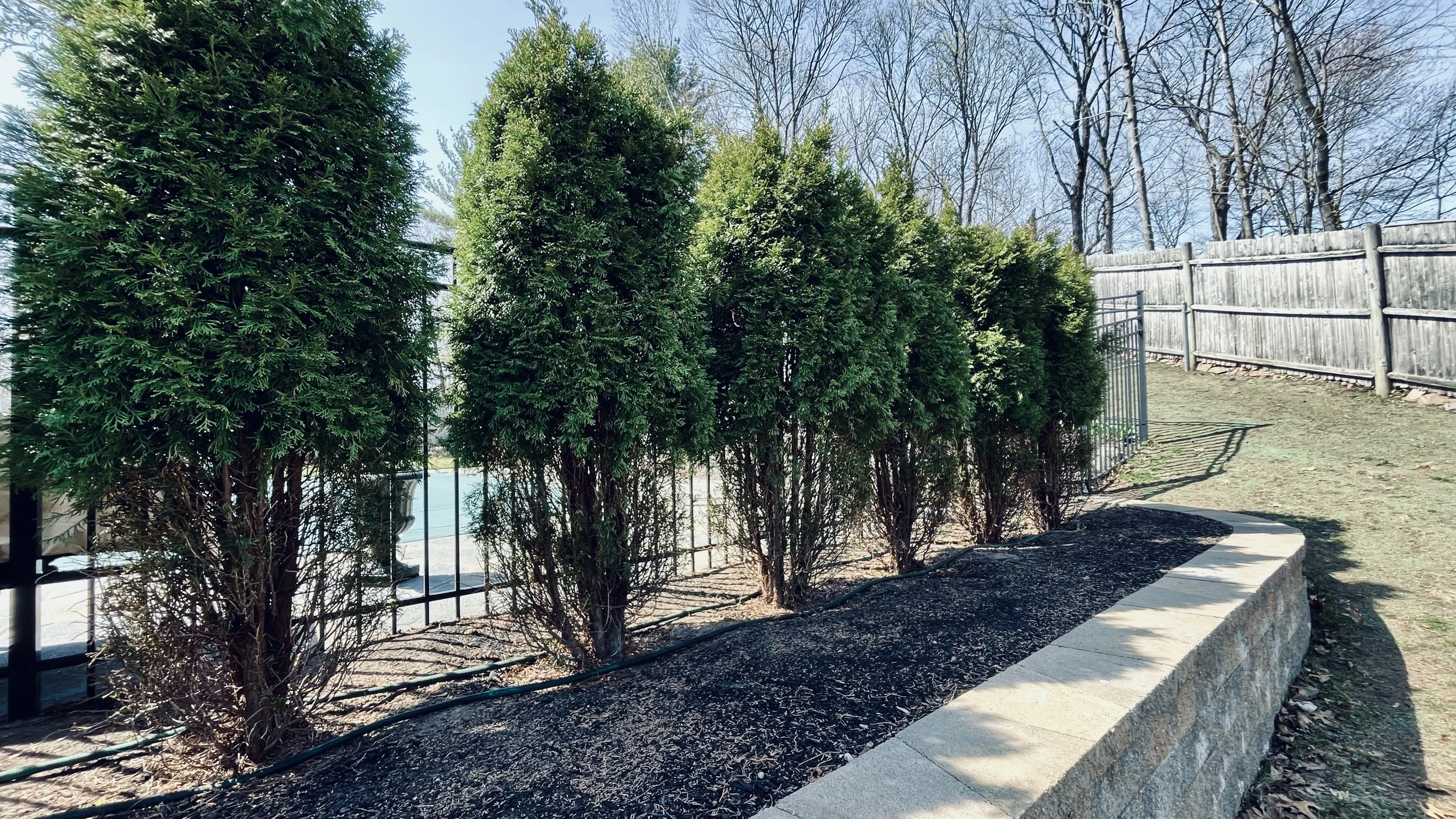
As I look out my family room window and see buds starting to form on the trees, bright blue skies, and those first spring flowers popping up after a long, snowy winter, I can’t help but feel happy. There’s just something about the sunshine and warmer days creeping in that makes everything feel a little more hopeful.
I love spring. Many in my family list spring as their least favorite season. However, the reason I love spring is because it’s the time of Easter, a favorite holiday. There’s a sense of renewal. Landscapes are greener. Flowers are starting to bloom. The air begins to warm. The days are longer.
And it’s not just the weather that changes—it’s all of us. People start coming back outside, walking the neighborhood, stopping to talk, and soaking up as much of the sunshine as they can get. After being cooped up all winter like bears in hibernation, it feels so good to be out and about.
Spring hopes eternal is a saying taken from a poem by Alexander Pope and means that for people who are optimistic, they will always find reasons to hope even in the midst of challenges.
I’m trying to stay optimistic about at least one challenge this season—bringing our arborvitaes back to life… or at the very least, salvaging the bottom two feet. It was a long snowy winter for the bunnies who nibbled away every bit of greenery within reach. More than once, I caught them balanced on their hind legs, stretching up and feasting like they were at an all-you-can-eat buffet.
I’m not sure if bunnies have infiltrated your neighborhood in droves like they have in ours, but as cute as they look in children’s coloring books and stories, they can be destructive. Just ask Mr. McGregor (of Peter Rabbit fame).
Far be it for me to deny food to a small critter, but I just wish they enjoyed eating weeds more than the trees we spent thousands on.
Rabbits are voracious little eaters and seem to have a taste for just about everything in the garden. There are, however, a few plants they tend to avoid: azalea, boxwood, mountain laurel, rhododendron, peonies, Russian sage, sedum, geraniums, marigolds, and begonias, to name a few.
The internet is bursting with clever ways to deter them from ruining your garden. Here are some that I found, including placing the plants they avoid next to the plants they like.
A homemade spray made with cayenne pepper, garlic powder, a touch of dish soap, and water
Sprinkling blood meal or bone meal—or even using coyote urine (yes, you can buy it on Amazon)
Placing slices of Irish Spring soap around plants and replacing them regularly
Planting your flowers in waist-high raised beds, since rabbits don’t climb
Installing an 18-inch chicken wire fence above the ground, buried about 10 inches beneath the ground to prevent burrowing
Adding metal pinwheels, pie plates, or even a strategically placed fake owl to your garden
Using commercial repellents like Repels-All or Plant Skydd
Perhaps, I should have explored a few of these deterrents before the arborvitae became breakfast, lunch and dinner.
But now the damage is done.
We turned to an expert at the garden center where we originally purchased the arborvitaes and followed their advice. We removed all the brown dead growth. Then added Plant-Tone fertilizer around the base and watered them well.
We were told that we should start seeing new green growth in the month of May. That’s where hope eternal comes in—or at least hope through May.